LEARNING
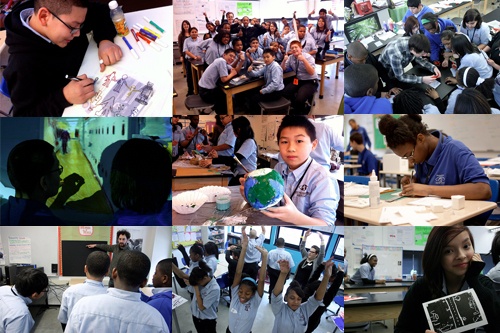
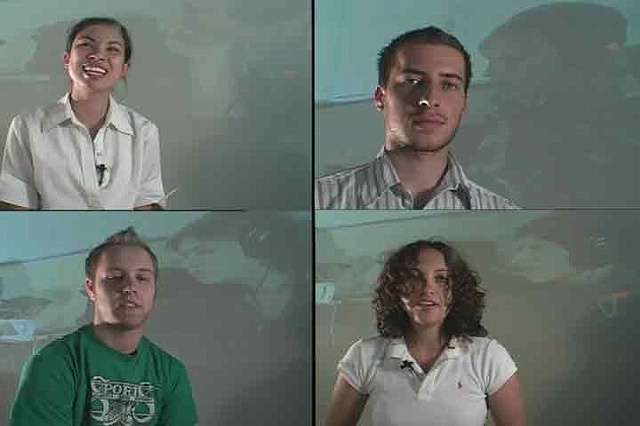
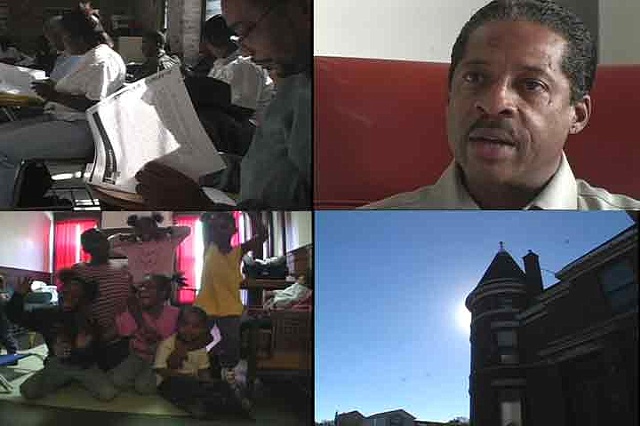
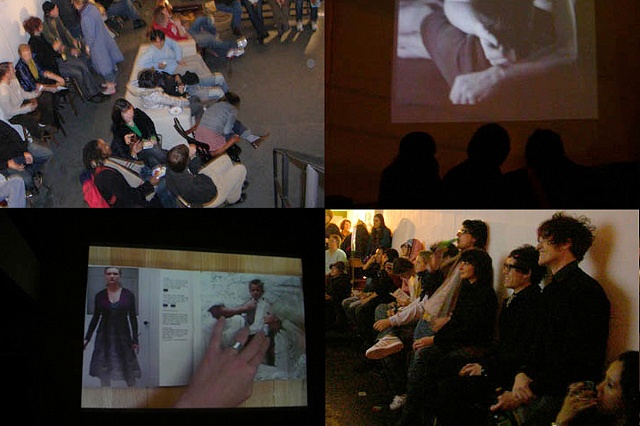
Since 2002 I've been involved in visual arts learning as a Teaching Assistant, Instructor, Adjunct Professor, Program Manager, and now Director of Education. I've worked with graduate, undergraduate, high school, middle school, and elementary school students. I have learned alongside my students and grown from every opportunity.
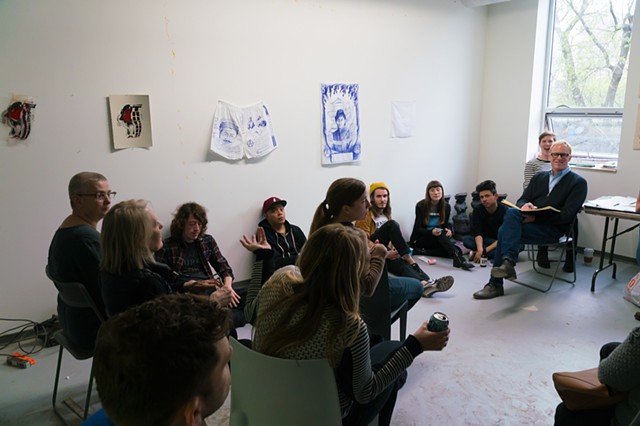
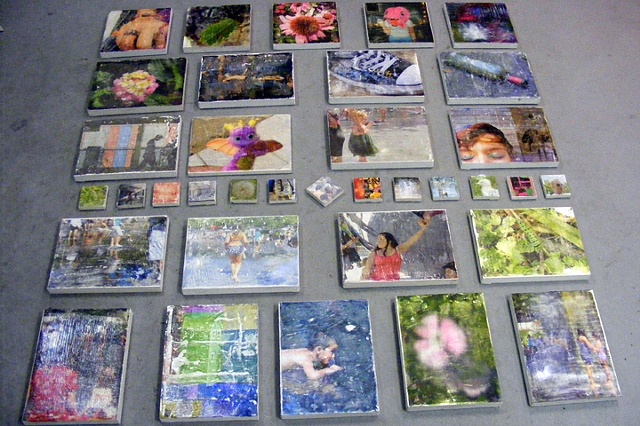
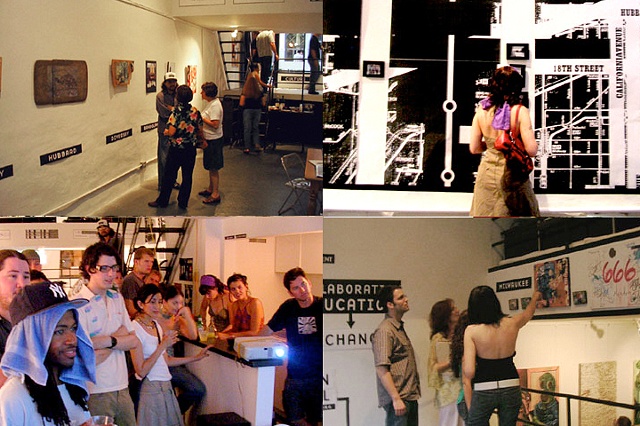
I look at the programs I have led as pieces of art. I approach teaching art as I practice it, looking at programs as opportunities to lead conversations and practices towards findings and ultimately learning. With the help of desktop publishing and the internet, I also aim for individuals and groups to share work and contribute to larger conversations outside of the studio or classroom. I strive for students to finish programs with resolved works and meaningful connections to their art practice.
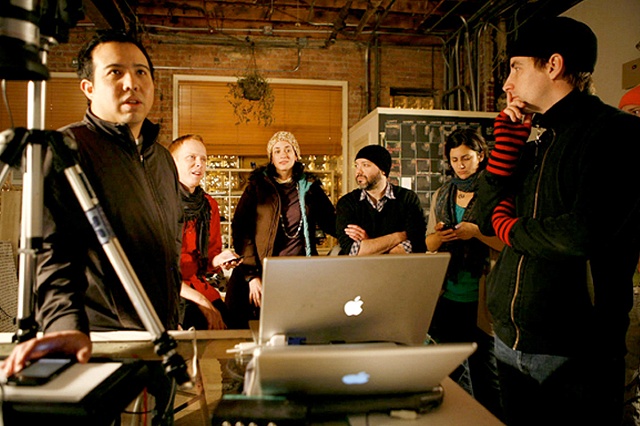
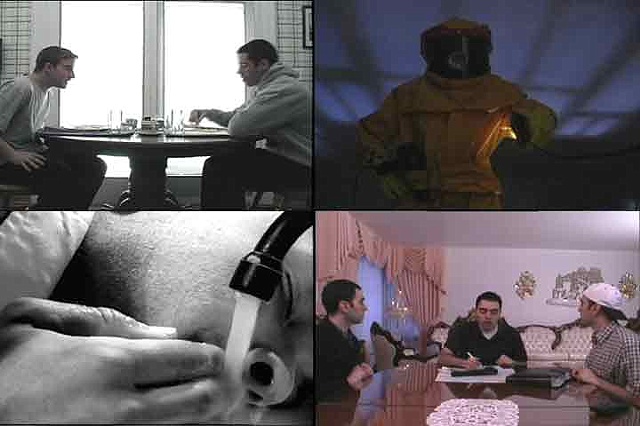
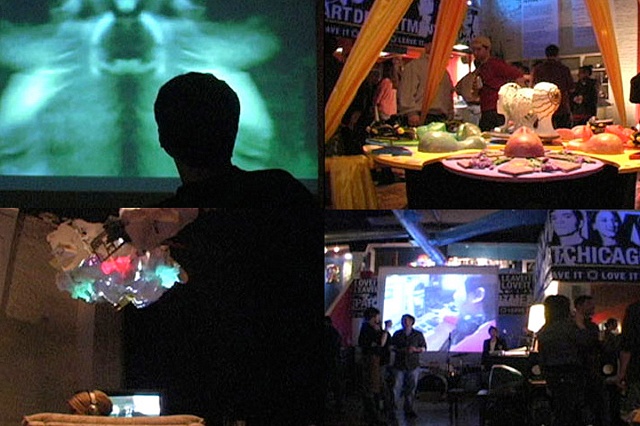
My teaching stems from contemporary techniques and working with alternative media (the areas I work on in my own practice). I began teaching media design and image editing around the time of the desktop publishing revolution of the late 90s. I taught digital video production as I worked with video equipment and software such as Media 100, Apple's Final Cut Pro (1), and Abode After Effects. As cameras (and phones) evolved, I transitioned to teaching more image editing as a concept. I have ridden waves of tech advancements and enjoyed the challenge of being part of those discussions, all while relating any new media back to previous movements and histories.
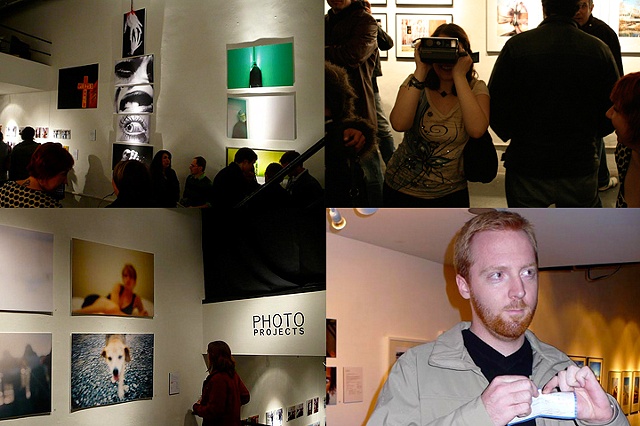
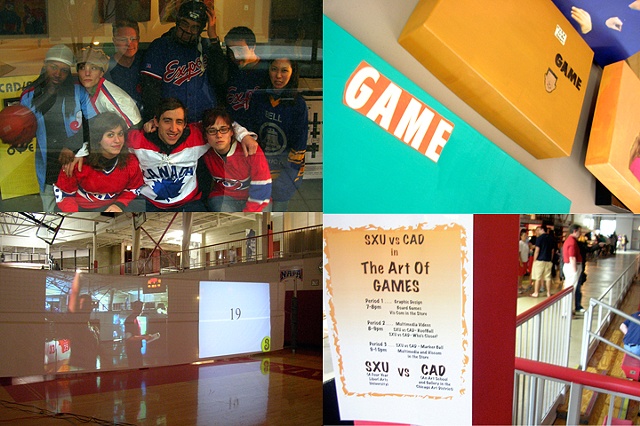
Working to empower artists led through instructional learning led me to teaching self-directed programs, which has been a passion of mine since 2003. I began work as an adviser inside of "Graduate Projects" at the School of the Art Institute of Chicago, Photo Projects and iPhone Art at Chicago Art Department, The Marwen Lab Program, and now The Center Program at Hyde Park Art Center, I have spent much time advising students on their own individual projects. I enjoy process-oriented study so advising has come naturally to me, as no matter what medium any artist is working with, I can easily dissect their process and help them get better at what they do. I often tell students that I can't guarantee to improve technical aspects of their work, but I will always be able to help them with their process. Because of this universal approach that spans across any discipline, I have worked with students in areas such as painting, drawing, animation, video, photo, and graphic design, despite the fact that as an artist I don't actually work in some of these areas.
History is important and we must build on it. I aim to contextualize courses early with the goal of building on the past. I tend to introduce history and projects as soon as possible so that students can ground their focus and begin to envision their place within a larger art conversation. Once there is a context established, finding a place inside of any given medium's history becomes the fun part, the chance for artists to find their voice and importance.
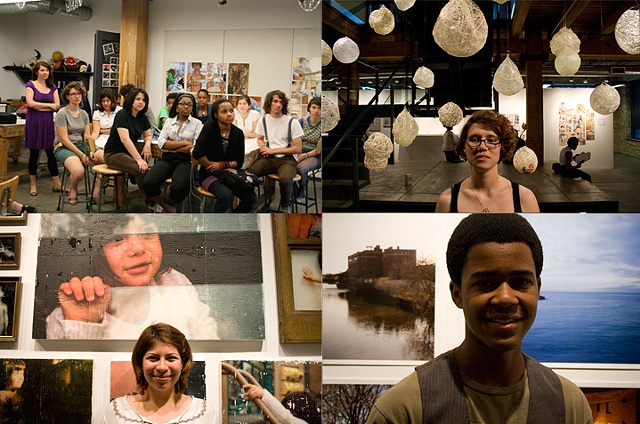
Ultimately I believe students are the richest textbooks so I aim for them to act as resources in any studio or classroom. The world has never been so connected, which allows educators to use students and their experiences as first-hand learning tools. Students can be agents of information as they share life experiences and knowledge with the help of contemporary tech tools such as cameras, laptop/portable computers, and the internet. For this reason I enjoy focusing on students (mine and others from around the world) and their art inside of my programs, highlighting what IS being done in addition to what has been done.
“Real education should consist of drawing the goodness and the best out of our own students. What better books can there be than the book of humanity?” -Cesar Chavez.